Sulphur in Agriculture: Sulphur Fertilizers versus Sulphuric Acid — A Practical Comparison

Sulphur deficiencies are now widespread in European arable soils. Since atmospheric sulphur deposition has declined sharply due to emission reductions, sulphur must increasingly be supplied through fertilizers. But choosing the right sulphur source — as a fertilizer or in the form of sulphuric acid — raises questions for many farms and buyers. This article provides a clear overview.
Why Sulphur Has Become Important in Arable Farming Again
For decades, sulphur was an overlooked trace element. Industrial emissions inadvertently provided continuous atmospheric sulphur deposition on agricultural land — soils were supplied with sulphur "for free." But since industrial exhaust gases are now filtered and emission limits have been drastically tightened, atmospheric sulphur deposition has fallen to less than a quarter of its former level.
The result: across large parts of Europe — especially Scandinavia, Great Britain, Germany and Switzerland — arable soils are increasingly showing sulphur deficits. Rapeseed, cereals and legumes respond with growth disorders, pale young plants and measurable yield losses.
Sulphur Forms in Fertilizers: Sulphate, Elemental Sulphur and Their Effects
Sulphur occurs in fertilizers in two main forms:
Sulphate sulphur (SO₄²⁻) is immediately plant-available. It does not need to be converted in the soil and therefore acts quickly — ideal for crops with high spring demand such as rapeseed or winter cereals. Ammonium sulphate (21% N, 24% S) is the classic example.
Elemental sulphur (S°) must first be oxidized to sulphate by soil organisms. This process takes weeks to months and is temperature-dependent. Elemental sulphur is therefore better suited for autumn applications or long-term soil improvement.
Sulphur Fertilizers Overview: Ammonium Sulphate, UAN+S and Calcium Sulphate
Ammonium sulphate (AS, 21-0-0+24S): The most versatile sulphur fertilizer in arable farming. It delivers both nitrogen and sulphate sulphur simultaneously. Cerantis supplies ammonium sulphate in granular and crystalline form from 20 MT.
UAN+S: Liquid fertilizer based on UAN with sulphur additive. Ideal for farms with liquid fertilizer technology.
Calcium sulphate (gypsum): Contains 13–17% sulphur plus calcium. Mainly used for soil structure improvement.
Sulphuric Acid in Agriculture: Use in Irrigation and pH Correction
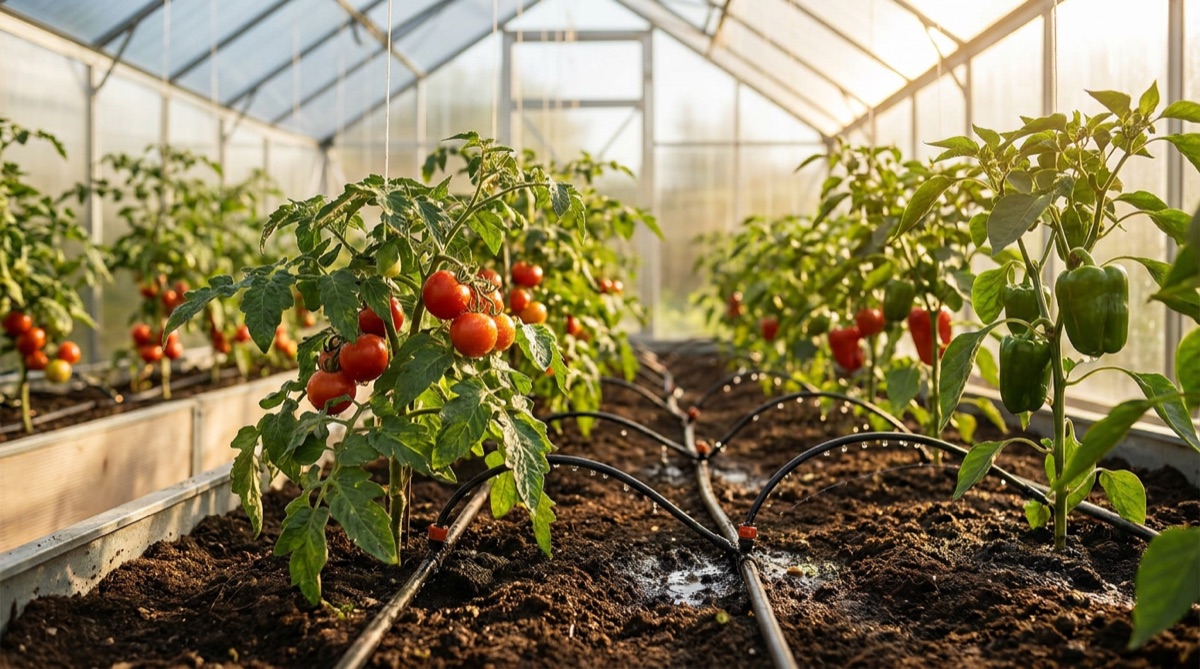
Sulphuric acid (H₂SO₄) is not used in agriculture as a conventional fertilizer, but for two specific purposes: pH reduction in alkaline soils and irrigation systems, and cleaning drip irrigation systems.
Anyone searching for "sulphuric acid" in an agricultural context usually means sulphur fertilizer — i.e. fertilizers that contain sulphur in available form. For actual fertilization, sulphuric acid is unsuitable and dangerous.
Sulphur Fertilizer vs. Sulphuric Acid: A Direct Practical Comparison
| Feature | Sulphur Fertilizer (e.g. AS) | Sulphuric Acid |
|---|---|---|
| Application | Granular / Liquid | Diluted solution via irrigation |
| Effect | Nutrient supply (S + N) | pH reduction, no direct fertilization |
| Target group | Arable farming, all crops | Intensive crops with irrigation |
| Safety | Easy to handle | Corrosive, PPE required |
| Min. order Cerantis | From 20 MT (ammonium sulphate) | Not in our range |
Conclusion: For the vast majority of European arable farms, ammonium sulphate is the right sulphur supplier.
Dosage Recommendations and Crops with Highest Sulphur Demand
Rapeseed (winter): 30–50 kg S/ha — highest demand among arable crops.
Cereals (wheat, barley): 15–25 kg S/ha — sulphur application improves protein quality.
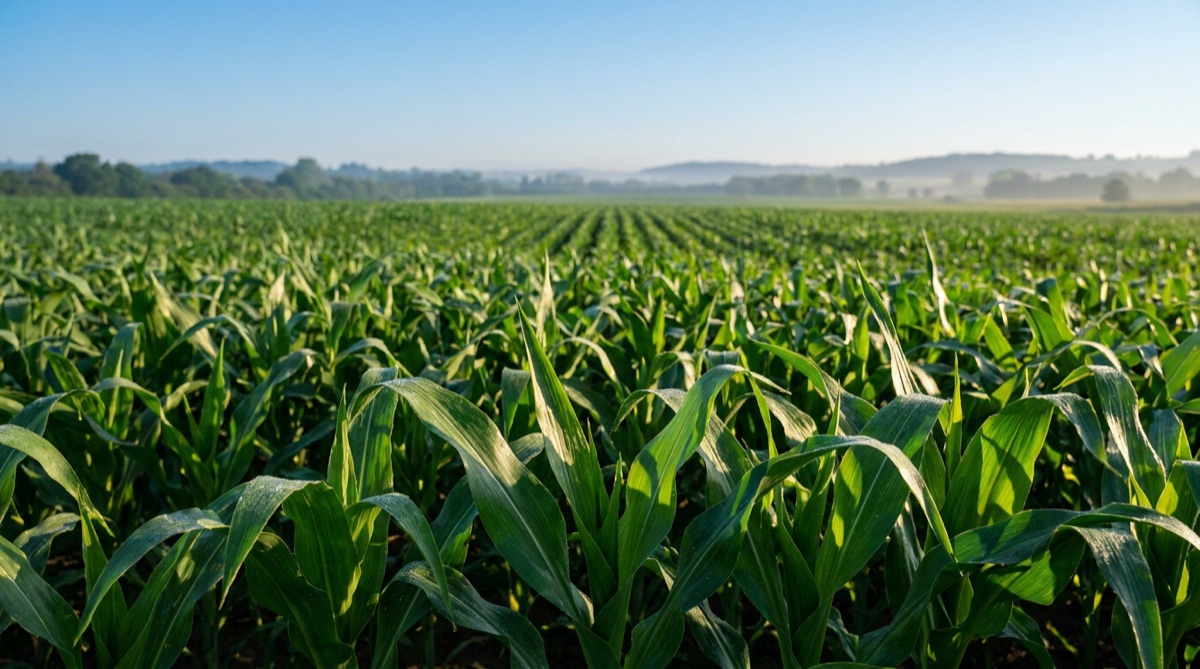
Maize: 10–20 kg S/ha — relevant on light, leached soils.
Legumes (clover, lucerne): 15–25 kg S/ha — sulphur promotes nitrogen fixation by rhizobia.
Conclusion: Which Sulphur Source is Right for Whom?
For importing distributors and traders, ammonium sulphate is the clear base product: high demand, broad application range, plannable volumes. Cerantis supplies European importers with ammonium sulphate (21% N, 24% S) in granular and crystalline form from 20 MT per container.
Contact us for a current offer on ammonium sulphate or other sulphur-containing fertilizers.