Phosphate Fertilizers Explained: DAP, MAP, SSP and TSP Compared
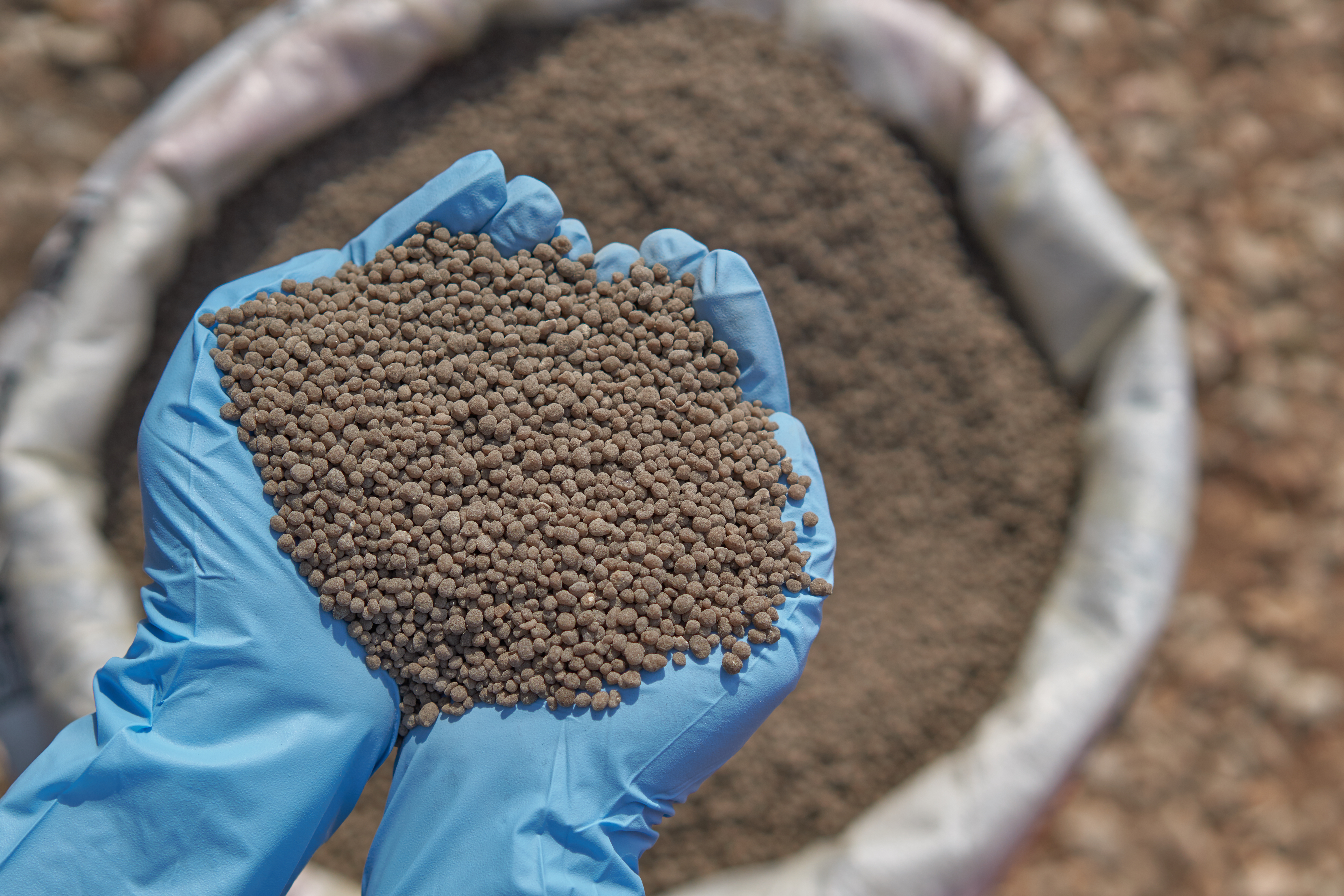
Phosphorus is one of three primary macronutrients for plant growth and cannot be substituted. Without adequate phosphorus, root development stalls, flowering is delayed, and yields fall short of potential. This guide explains the key differences between DAP, MAP, SSP and TSP and helps distributors source the right grade.
Why Phosphorus Matters: The Role of P in Crop Nutrition
Phosphorus drives the formation of ATP, the energy currency of all living cells. Adequate phosphorus supply at sowing is critical: it accelerates root establishment, improves early vigour, and increases the plant's ability to access other nutrients.
Unlike nitrogen, phosphorus does not leach significantly from most soils. It binds to soil particles and remains available for months. Base dressings applied before sowing deliver reliable results.
DAP (Diammonium Phosphate): Profile and Applications
DAP (18-46-0) is the world's most widely traded phosphate fertilizer. It contains 18% nitrogen and 46% P₂O₅.
Key properties: DAP dissolves quickly in soil moisture, providing fast-acting phosphate and ammonium nitrogen. Available in granular form, well-suited for mechanical spreading and seed placement.
Typical applications: Pre-sowing base dressing for wheat, maize, canola, sugar beet; blending component in NPK production.
Origins: Morocco (OCP), Saudi Arabia, China. Cerantis supplies DAP alongside the full phosphate range.
MAP (Monoammonium Phosphate): When to Choose MAP over DAP
MAP (11-52-0) contains 11% nitrogen and 52% P₂O₅.
Key differences from DAP: Lower nitrogen content (11% vs 18%). MAP has a slightly acidic soil reaction, making it better for calcareous or alkaline soils.
When to choose MAP: Alkaline soils in southern Europe and Mediterranean; seed-safe placement; liquid fertilizer production and fertigation systems.
SSP (Single Superphosphate): The Sulphur Bonus
SSP contains 16–20% P₂O₅ and approximately 11–12% sulphur as calcium sulphate.
Key advantage: SSP is the only major phosphate fertilizer that also supplies significant sulphur — particularly valuable for sulphur-deficient soils.
When to choose SSP: Sulphur-deficient soils; oilseed rape, onions, legumes; situations where lower P concentration is acceptable.
TSP (Triple Superphosphate): Pure Phosphate
TSP contains 44–48% P₂O₅ with no nitrogen and no sulphur.
Key advantage: Most concentrated single-nutrient phosphate fertilizer.
When to choose TSP: High-intensity phosphate programmes; blending component in NPK factories; soils already adequate in sulphur.
Comparison: DAP vs MAP vs SSP vs TSP at a Glance
| Grade | N (%) | P₂O₅ (%) | S (%) | Best For |
|---|---|---|---|---|
| DAP 18-46-0 | 18 | 46 | 0 | Neutral to acid soils, general use |
| MAP 11-52-0 | 11 | 52 | 0 | Alkaline / calcareous soils |
| SSP | 0 | 16–20 | 11–12 | S-deficient soils, oilseed crops |
| TSP | 0 | 44–48 | 0 | High-P situations, no extra N/S needed |
Pricing and Procurement Strategy for Importers
Phosphate fertilizer prices are influenced by rock phosphate availability (predominantly Morocco), energy costs, ammonia pricing, and currency fluctuations. DAP and MAP prices track each other closely.
Cerantis supplies DAP, MAP, SSP and TSP from established producers, enabling buyers to cover all phosphate requirements through a single commercial relationship.
Seasonal patterns: Phosphate demand peaks in autumn (pre-sowing) and early spring. Securing volumes 4–8 weeks before peak demand is advisable.